
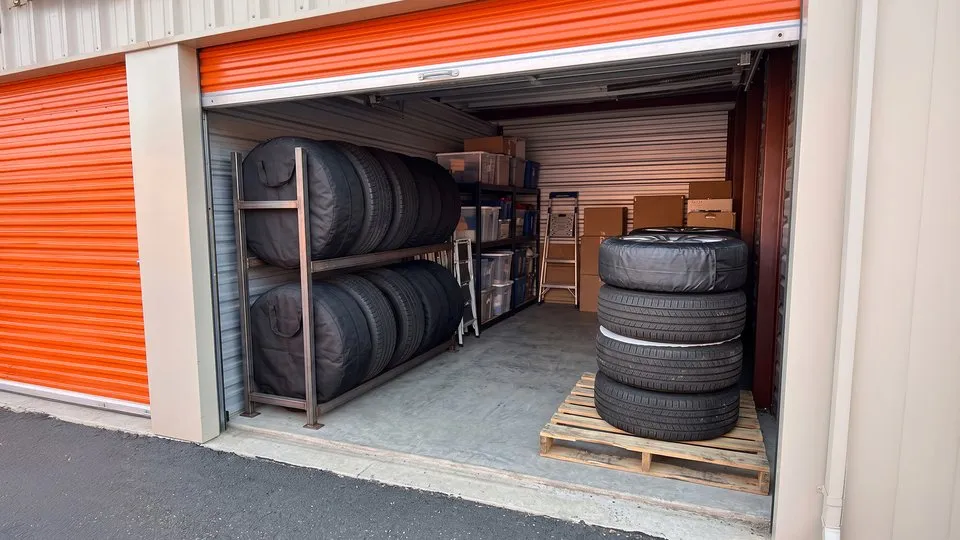

For Canadian drivers, switching between winter and all-season or summer tires is part of preparing for changing road conditions. Once the tires are changed, however, many people face the same tire storage problem: where should the unused set go?
Leaving tires in a driveway, shed, balcony, or crowded corner of the garage may be convenient, but improper storage can expose them to sunlight, moisture, dirt, and major temperature changes. Professional tire storage solutions provide a practical alternative, helping you protect your tires while creating more usable space at home.
Whether you are storing one set of tires or seasonal tires for several vehicles, understanding your options can help you choose a convenient and cost-effective solution.
Why Proper Tire Storage Matters
Tires are designed to withstand demanding road conditions, but they can still deteriorate when stored incorrectly for long periods. Heat, direct sunlight, moisture, and exposure to chemicals can affect the rubber over time.
Proper tire storage may help reduce the risk of:
• Cracking or drying
• Flat spots and deformation
• Moisture-related damage
• Premature rubber deterioration
• Dirt and debris accumulating on the tire
• Tires becoming lost or mixed up between vehicles
A clean, dry, and sheltered storage environment keeps your seasonal tires organized and ready for their next installation.
It also frees up valuable room in your garage. Instead of stacking tires beside your vehicle, lawn equipment, sports gear, or tools, you can place them in a dedicated storage space until the season changes.
What Affects the Cost of Tire Storage?
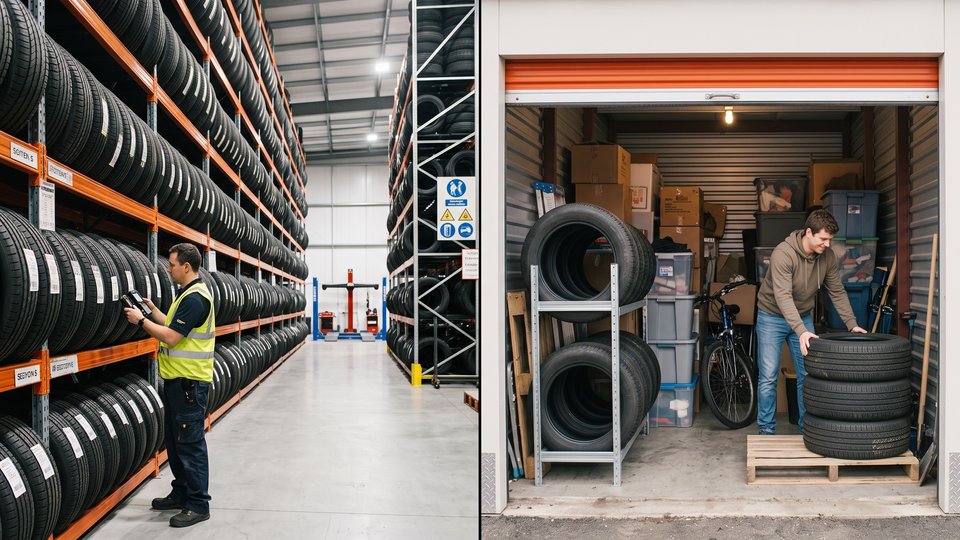
Tire storage prices vary depending on the type of storage you choose and the services included. Some automotive shops offer seasonal tire programs, while self storage allows you to store tires alongside other household or vehicle-related items.
Several factors may affect the total cost.
• Storage location
Prices can differ between cities, neighbourhoods, and rural communities. Storage facilities in areas with higher demand may charge different rates than facilities outside a major city centre.
• Number and size of tires
A standard set of four passenger-vehicle tires requires less room than several sets of tires or oversized truck and SUV tires. Tires mounted on rims may also require more space and careful handling.
• Length of rental
Some drivers only need storage for one season, while households with limited garage space may keep a unit throughout the year. Month-to-month rentals can be useful when you want flexibility without committing to a long contract.
• Unit type
Indoor, heated, climate-controlled, and drive-up units may have different rental rates. The best option depends on your budget, tire-storage needs, and whether you plan to store other temperature-sensitive belongings.
• Additional services
Some tire-storage providers include services such as transportation, cleaning, installation, or seasonal tire changes. These conveniences may increase the price. With self storage, you generally transport and organize the tires yourself, but you gain more control over access and how the space is used.
Tire Storage Service or Self Storage Unit?
A dedicated tire-storage service may be convenient when you want an automotive shop to manage the entire process. You may be able to leave your tires after a seasonal change and return when it is time to reinstall them.
A self storage unit may be a better fit when you want:
• Access to your tires during the rental period
• Space for tires from multiple vehicles
• Room for tools and automotive accessories
• Storage for bicycles, camping gear, or seasonal equipment
• A flexible month-to-month arrangement
• More control over packing and organization
A storage unit can serve several purposes at once. In addition to your tires, you may be able to store tire racks, roof racks, floor mats, vehicle covers, emergency supplies, and other seasonal items.
What Size Storage Unit Do You Need?
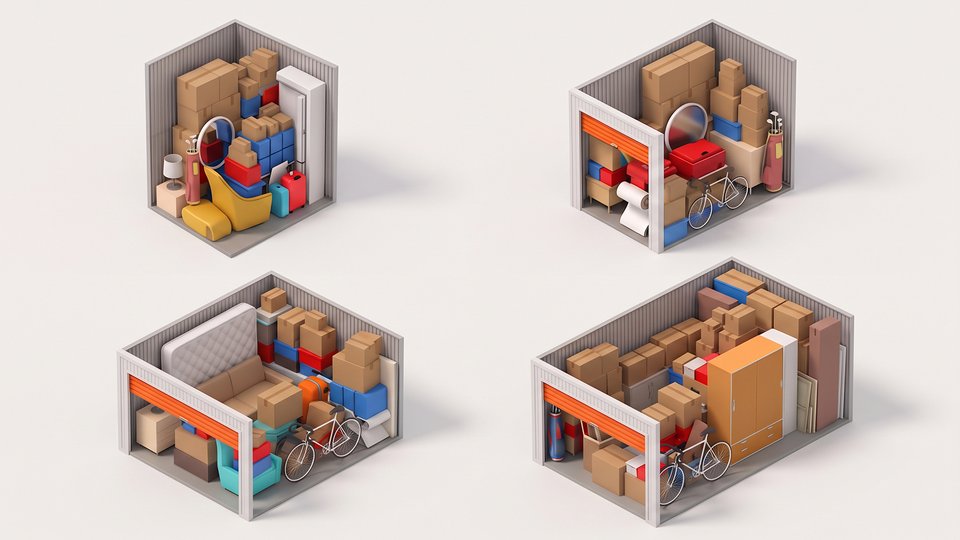
A set of four tires does not require a large amount of floor space. However, the smallest available unit is not always the best choice, especially when you want room for other belongings.
A compact storage unit may accommodate one or more tire sets along with tools, boxes, or automotive accessories. A larger unit may make sense for a family with multiple vehicles or someone storing motorcycles, bicycles, outdoor equipment, and household items.
Before selecting a unit, consider:
• How many tire sets you have
• Whether the tires are mounted on rims
• The diameter and width of the tires
• What else you plan to store
• How frequently you need access
• Whether you want shelving or a tire rack
Ask the storage team for help choosing a unit instead of estimating based on tire count alone.
How to Prepare Tires for Storage
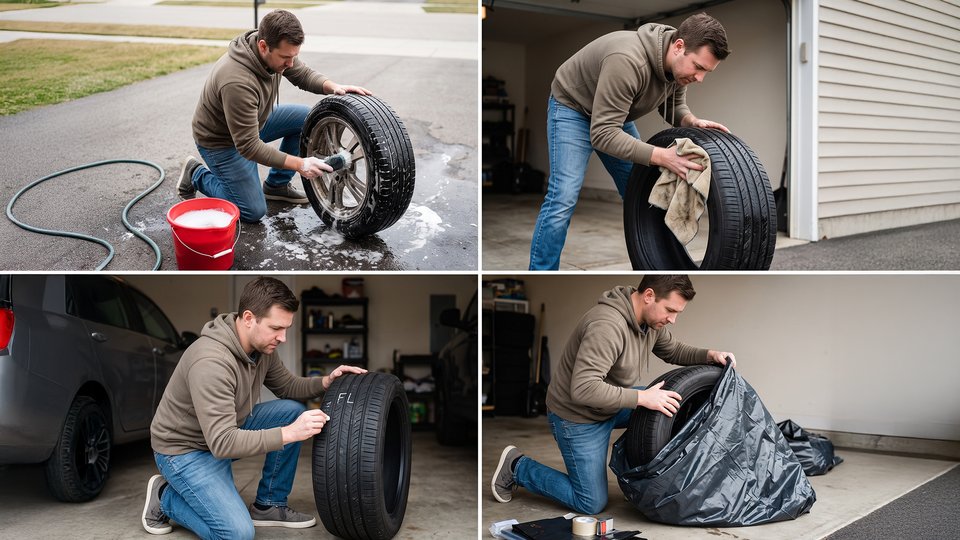
Proper preparation can help keep your tires in good condition throughout the storage period.
• Clean and dry the tires
Remove road grime, brake dust, salt, and debris. Use an appropriate tire-cleaning method, then allow the tires to dry completely before storing them. Trapped moisture may contribute to unwanted odours or deterioration.
• Check their condition
Inspect each tire for cracks, uneven tread wear, punctures, or embedded objects. Note any tire that may require repair or replacement before the next driving season.
• Label each tire
Mark the position where each tire was installed, such as front left or rear right. Labelling makes it easier to discuss proper rotation with your tire technician when the tires are reinstalled.
• Use protective tire bags or covers
Individual tire bags or covers can help protect tires from dust and dirt. Make sure the tires are dry before sealing them inside any covering.
• Keep tires away from harmful materials
Do not store tires near gasoline, oil, solvents, paint, or other chemicals. Many hazardous and flammable products are also prohibited in self storage units, so review the facility’s rules before moving in.
Should Tires Be Stacked or Stored Upright?
The best position may depend on whether the tires are mounted on rims.
Tires mounted on rims can generally be stacked horizontally or placed on a suitable tire rack. Avoid building an unstable stack, and do not place heavy boxes or furniture on top.
Tires without rims are commonly stored upright. Rotate them periodically if they will remain in storage for an extended period to reduce prolonged pressure on one area.
Whichever method you choose, keep the tires off wet floors and away from direct sunlight. A clean pallet, shelf, or purpose-built rack can help keep the storage area organized.
Make Room at Home with Mini Mall Storage
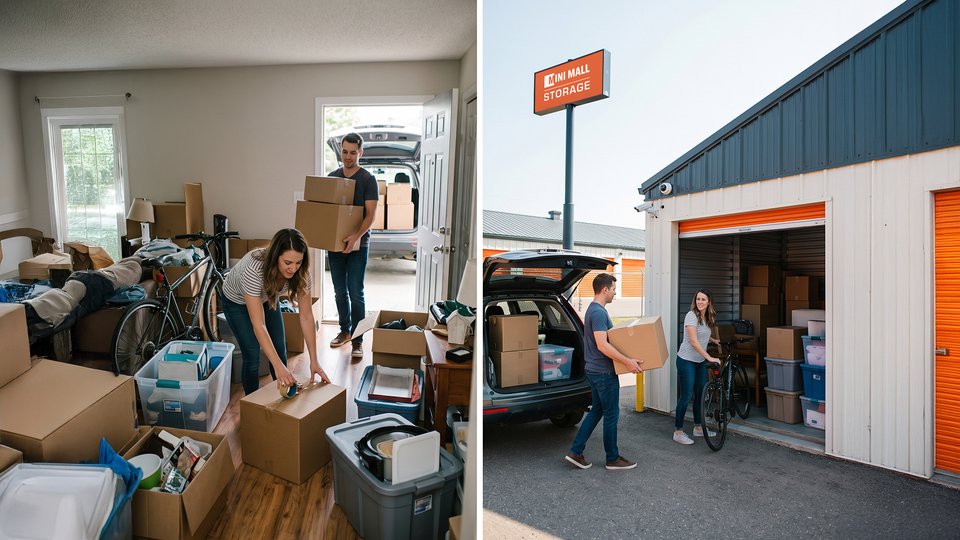
Your seasonal tires may only be needed for part of the year, but they can take up valuable space every day they are not in use. Moving them into storage can help you reclaim your garage, keep your equipment organized, and make each seasonal tire change easier to manage.
Mini Mall Storage offers convenient storage options for tires, automotive accessories, tools, sporting equipment, and other belongings you may not need year-round. Unit sizes and features vary by facility, giving you the flexibility to choose a space that suits your household and storage needs.
Find a Mini Mall Storage facility near you or connect with our team for help choosing a suitable unit for your tires and seasonal gear.


